Disability is a complex word to define. There are different models and perspectives that you can use to describe the word’s meaning. How you define disability may change based on your context. WILAA acknowledges the complexity of the word disability and presents three definitions relevant to the work we do.
Social Model
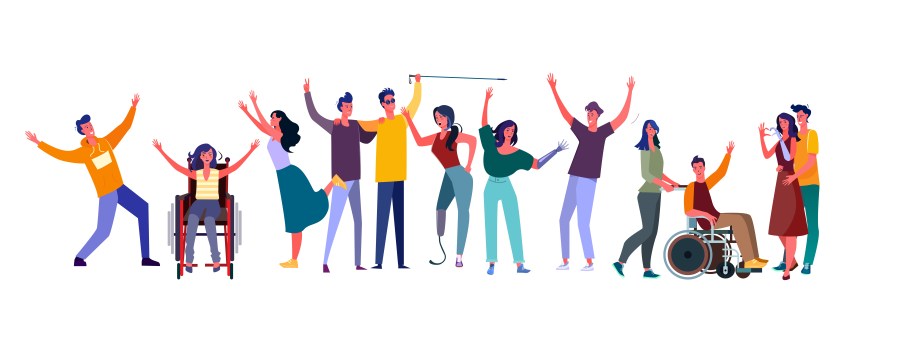
The view of disability as an individual concern led people with physical disabilities to develop the social model of disability. This model separates the bodily limitations a person experiences and the disability they experience in their daily life. Thus, the social model has two definitions: impairment and disability. Impairment describes the bodily limitations a person experiences. While disability describes how a person experiences barriers to engaging in their work life, social life, and personal needs because of the limitations of our physical and social world.
An example is how blind people or people with visual impairments may have difficulties navigating a transit system if there is not a stop announcement system in place. This definition of disability leads to creating social or political change to improve the lives of people with disabilities.
Medical Model
This model stems from a medical understanding of disability and thus often focuses on individual experiences. Disability, defined in this model, is about how a person is affected by their body and mind limitations. This definition often focuses on a person’s quality of life or the perceived lesser quality of life because of bodily limitations. As such, the medical model constantly searches for ways to cure or manage the symptoms of a disability.
Legal or Legislative
There is no singular definition of what disability is in all laws and legislation. As such, legal and legislative documents often define disability. While the medial mode previously shaped definitions of disability, this has been shifting. For example, the Canadian Federal Government defines disability as follows.
“Disability is a complex phenomenon, reflecting an interaction between features of a person’s body and mind and features of the society in which they live. A disability can occur at any time in a person’s life; some people are born with a disability, while others develop a disability later in life. It can be permanent, temporary or episodic. Disability can steadily worsen, remain the same, or improve. It can be very mild to very severe. It can be the cause, as well as the result, of disease, illness, injury, or substance abuse.” Federal Disability Reference Guide
 WILAA Community of Practice